
DAO Governance: How to Participate and Make Your Vote Count
Master DAO governance with our guide to voting, proposals, delegation strategies, and becoming an active contributor in decentralized communities.
The difference between holding governance tokens and actually shaping a protocol's future comes down to one thing: participation. In 2025, DAOs collectively manage over $25 billion in treasuries, yet fewer than 5% of token holders ever vote. This creates an enormous opportunity for engaged participants to influence major protocols, earn recognition, and even build careers in decentralized governance. Whether you hold $100 or $100,000 in governance tokens, your voice matters more than you think. This guide will transform you from a passive holder into an active governance participant who can propose changes, delegate strategically, and make your vote truly count.
TL;DR - The Quick Takeaways
- Your vote has outsized impact: With only 3-5% of token holders voting, active participants wield significant influence over protocol direction and treasury allocation
- Delegation multiplies your power: Strategic delegation to aligned representatives lets you participate without researching every proposal
- Proposals follow a lifecycle: Idea discussion, temperature check, formal proposal, voting period, then execution through smart contracts
- Snapshot, Tally, and Boardroom are the three major governance platforms where most voting happens
- Governance attacks are real: Flash loan voting, vote buying, and whale manipulation exist, but protocols have defenses you should understand
- Contributors earn more than voters: Active proposal writers and delegates often receive grants, recognition, and career opportunities
Table of Contents
- What is a DAO and Why Governance Matters
- Types of DAOs You Can Participate In
- Governance Tokens and Voting Power
- How Proposals Work: From Idea to Implementation
- Major Governance Platforms
- Delegation Strategies
- How to Write Effective Proposals
- Governance Attacks and Protocol Defenses
- From Voter to Contributor
- Case Studies: Proposals That Made History
- Sources and Attribution
What is a DAO and Why Governance Matters
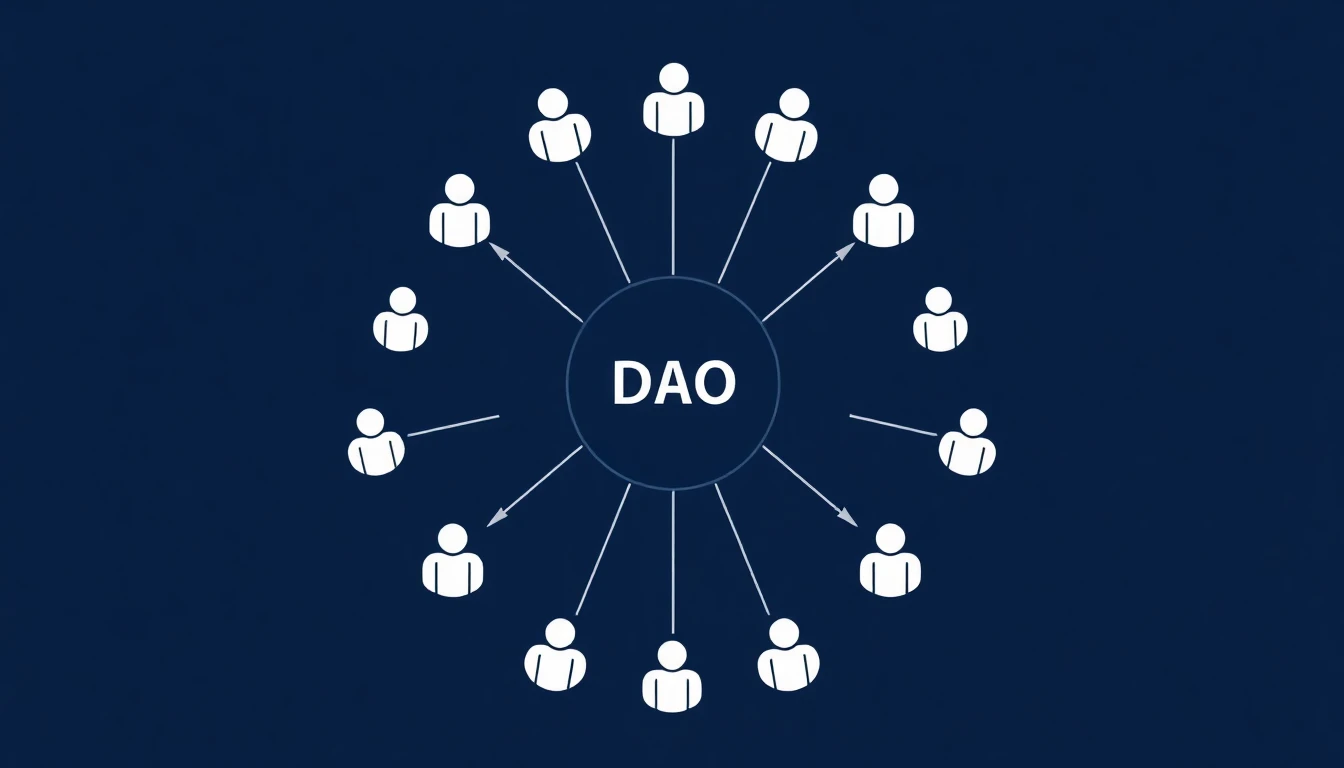
A Decentralized Autonomous Organization operates through smart contracts and community voting rather than traditional corporate hierarchies. But the real innovation is not just automation, it is collective ownership of decisions that affect millions of users and billions of dollars.
The Governance Power Shift
When Uniswap holds a governance vote, the outcome determines how $3+ billion in treasury assets get deployed. When Aave adjusts risk parameters, it affects billions in active loans. When MakerDAO votes on collateral types, it shapes the stability of the most widely-used decentralized stablecoin.
These are not theoretical exercises. DAO governance decisions have:
- Deployed hundreds of millions in ecosystem grants
- Prevented potential exploits through parameter changes
- Determined which blockchains major protocols expand to
- Set fee structures affecting every user transaction
Why Your Participation Matters
The uncomfortable truth about DAO governance is that voter apathy concentrates power. When only 3-5% of token holders vote, a small group of active participants effectively controls the protocol.
| Participation Level | Your Influence |
|---|---|
| Passive holder (0%) | Zero impact on decisions |
| Occasional voter (1-2 votes/year) | Minimal influence |
| Active voter (most proposals) | Significant voice |
| Proposal creator/delegate | Protocol shaper |
This is not a critique but an opportunity. Active participants punch far above their token weight in determining outcomes. Even modest holdings become meaningful when you show up consistently.
Pro Tip: Start by voting on one proposal this week. The act of participating once makes continued engagement much more likely than waiting for the "perfect" proposal.
Types of DAOs You Can Participate In
Understanding DAO categories helps you find governance opportunities aligned with your interests and expertise.
Protocol DAOs
Protocol DAOs govern decentralized applications and their treasuries. These are typically the largest and most impactful DAOs, managing DeFi protocols, infrastructure, and developer tooling.
Examples: Uniswap (DEX), Aave (lending), Compound (money markets), ENS (naming), Arbitrum (Layer 2)
What you vote on: Protocol upgrades, fee structures, risk parameters, treasury allocation, multi-chain deployment decisions
Best for: Users of the protocol, DeFi enthusiasts, those wanting exposure to major governance decisions
Investment DAOs
Investment DAOs pool capital to make collective investment decisions. Members contribute funds and vote on which projects, tokens, or assets to acquire.
Examples: The LAO, MetaCartel Ventures, BitDAO, Flamingo DAO
What you vote on: Investment thesis, deal evaluation, portfolio management, exit strategies
Best for: Investors wanting access to early-stage deals, those with due diligence skills
Social DAOs
Social DAOs form around shared interests, values, or professional communities. Membership often requires token purchase, contribution, or invitation.
Examples: Friends With Benefits (FWB), Developer DAO, Bankless DAO, Cabin DAO
What you vote on: Community events, content direction, membership criteria, collaboration opportunities
Best for: Networkers, community builders, content creators, those seeking belonging
Collector DAOs
Collector DAOs acquire and manage valuable assets collectively, from blue-chip NFTs to historical artifacts.
Examples: PleasrDAO, Constitution DAO, Flamingo DAO, Jenny DAO
What you vote on: Acquisition targets, collection strategy, exhibition and lending, asset sales
Best for: Art enthusiasts, NFT collectors, those wanting fractional ownership of premium assets
Getting Started: Pick one DAO aligned with a protocol you already use. Your existing knowledge of the product makes governance participation natural and informed.
Governance Tokens and Voting Power
Governance tokens represent your stake in protocol decision-making. Understanding how voting power works helps you participate effectively and recognize potential manipulation.
Token-Weighted Voting
The most common system gives one vote per token. If you hold 1,000 UNI, you cast 1,000 votes on Uniswap proposals. This is straightforward but creates predictable dynamics:
- Whales dominate: Large holders control outcomes proportionally
- Coordination matters: Small holders voting together can overcome larger individual holders
- Acquisition is influence: Buying more tokens directly increases voting power
Quadratic Voting
Some DAOs implement quadratic voting where voting power equals the square root of tokens held. This reduces whale dominance significantly.
| Tokens Held | Token-Weighted Votes | Quadratic Votes |
|---|---|---|
| 100 | 100 | 10 |
| 10,000 | 10,000 | 100 |
| 1,000,000 | 1,000,000 | 1,000 |
The whale with 10,000x more tokens only gets 100x more voting power rather than 10,000x. Gitcoin uses quadratic funding (a related concept) to distribute grants more equitably.
Time-Weighted and Locked Voting
Protocols like Curve pioneered vote-escrow (ve) tokenomics where locking tokens for longer periods grants more voting power. Lock CRV for 4 years and receive maximum veCRV voting power. Lock for 1 month and receive a fraction.
This creates:
- Alignment between voters and long-term protocol success
- Reduced mercenary voting from short-term holders
- More stable governance outcomes
Snapshot Voting Blocks
When a proposal goes live, a "snapshot" records token balances at a specific block height. This prevents:
- Buying tokens just to vote, then selling immediately after
- Flash loan attacks that borrow massive token quantities for a single block
- Last-minute accumulation to swing outcomes
Your voting power equals your holdings at snapshot time, not when you cast your vote.

How Proposals Work: From Idea to Implementation
DAO proposals follow a structured lifecycle designed to surface good ideas, refine them through discussion, and ensure adequate participation before execution.
Phase 1: Ideation and Discussion
Every major proposal starts informally. Community members discuss ideas in Discord, governance forums (typically Discourse or Commonwealth), or Twitter. This phase helps:
- Test whether others share your concern or vision
- Gather initial feedback and objections
- Find co-sponsors or collaborators
- Refine the idea before formal submission
Where to engage: Each DAO has designated forums. Uniswap uses gov.uniswap.org, Aave uses governance.aave.com, and many use Commonwealth.im.
Phase 2: Temperature Check
Before spending gas on an on-chain vote, most DAOs require a temperature check or sentiment poll. This is typically a Snapshot vote (gasless) asking: "Should we move forward with this idea?"
Typical requirements:
- Minimum tokens to create (e.g., 10,000 UNI for Uniswap)
- 3-5 day voting period
- Majority support to proceed
Temperature checks filter proposals, preventing clearly unpopular ideas from wasting community attention on formal votes.
Phase 3: Formal Proposal
Proposals passing temperature check become formal governance proposals with detailed specifications:
- Title and summary: Clear statement of what changes
- Motivation: Why this change benefits the protocol
- Specification: Exact technical or operational changes
- Implementation: How the change will be executed
- Timeline: When changes take effect
- Budget: If treasury funds are requested
On-chain proposals typically require higher token thresholds to submit (preventing spam) and longer discussion periods.
Phase 4: Voting Period
Once submitted, token holders vote during a defined window (commonly 5-7 days). Votes are cast as:
- For: Support the proposal
- Against: Oppose the proposal
- Abstain: Participate without taking a side (counts toward quorum)
Quorum requirements ensure minimum participation. If a proposal gets 95% support but only 1% of tokens vote, it may still fail quorum, requiring a certain percentage of total supply to participate.
Phase 5: Execution
Passed proposals enter a timelock period (typically 24-48 hours) allowing users to exit if they disagree with the outcome. After timelock, execution happens automatically through smart contracts or manually by designated executors.
Important: On-chain proposals cost gas. Research and participate in temperature checks before proposals reach formal voting to maximize your influence while minimizing costs.
Major Governance Platforms
Three platforms dominate DAO governance infrastructure. Understanding each helps you participate across multiple protocols efficiently.
Snapshot
Snapshot is the most widely-used governance platform, enabling gasless off-chain voting that is cryptographically verifiable but does not require transaction fees.
How it works:
- Connect your wallet to snapshot.org
- Find your DAO's space (e.g., uniswap.eth)
- View active proposals and vote with your tokens
- Signature-based voting proves your holdings without gas
Best for: Temperature checks, signaling votes, DAOs wanting broad participation without gas barriers
Limitations: Off-chain votes are not automatically executed, they require trust that passed proposals will be implemented
Major DAOs using Snapshot: Aave, Uniswap (for temperature checks), ENS, Gitcoin, Balancer
Tally
Tally provides on-chain governance interfaces for protocols using Governor contracts (OpenZeppelin standard). Votes are actual blockchain transactions that automatically execute when passed.
How it works:
- Connect wallet to tally.xyz
- Browse DAOs or search for specific protocols
- View proposal details, delegate information, voting history
- Cast on-chain votes (requires gas)
Best for: Binding on-chain governance, transparent voting history, delegate discovery
Limitations: Requires gas for every vote, which may discourage participation on expensive networks
Major DAOs using Tally: Uniswap, Compound, Gitcoin, ENS, PoolTogether
Boardroom
Boardroom aggregates governance across multiple protocols, providing a unified dashboard for multi-DAO participants.
How it works:
- Connect wallet to boardroom.io
- View all DAOs where you hold tokens
- Track proposals across protocols in one interface
- Set up notifications for new proposals
Best for: Governance power users participating in multiple DAOs, staying informed across ecosystems
Additional features: Voter analytics, delegate profiles, governance calendars
| Platform | Voting Type | Gas Required | Best Use Case |
|---|---|---|---|
| Snapshot | Off-chain | No | Temperature checks |
| Tally | On-chain | Yes | Binding votes |
| Boardroom | Aggregator | Varies | Multi-DAO tracking |
Delegation Strategies
Delegation allows you to assign your voting power to another address while retaining token ownership. This is essential for governance sustainability since most token holders cannot research every proposal.
Why Delegation Matters
For passive holders: Your tokens contribute to governance outcomes without requiring active participation in every vote
For active participants: Accepting delegations amplifies your voice and responsibility in the governance process
For protocols: Higher effective participation through delegation produces more legitimate outcomes
Choosing a Delegate
Quality delegates share several characteristics:
Alignment: Their voting history matches your values and priorities
Activity: They vote consistently on proposals, not just selectively
Transparency: They publish voting rationales explaining their decisions
Accessibility: They engage with delegators and consider feedback
Expertise: They understand the protocol's technical and economic mechanics
Where to Find Delegates
Most governance platforms surface delegate information:
- Tally: Delegate profiles with voting history and statements
- Karma: Delegate scoring based on participation and impact
- Protocol forums: Delegate threads where candidates explain their positions
- Twitter: Many delegates actively discuss governance publicly
Self-Delegation
You can delegate to yourself if you want to vote directly. This is often required, as many protocols require explicit self-delegation before you can cast votes.
Strategy: Delegate 80% of your tokens to a trusted active delegate, self-delegate 20% for proposals you feel strongly about. This ensures participation while preserving optionality.
Re-Delegation and Accountability
Delegation is not permanent. If your delegate stops voting, changes positions, or loses your trust, you can redelegate instantly. This creates accountability since delegates who ignore their delegators will lose voting power.
Monitoring your delegate:
- Follow their governance forum posts
- Check voting history monthly on Tally or Karma
- Review their published voting rationales
- Compare their votes to your own preferences
How to Write Effective Proposals
The most impactful governance participants are not just voters but proposal creators. Writing proposals that pass requires understanding what makes governance bodies say yes.
The Anatomy of a Winning Proposal
Clear, Specific Title: "Enable USDC as collateral on Arbitrum" not "Expand collateral options"
Problem Statement: What issue does this address? Why now? Use data to establish need.
Proposed Solution: Exactly what changes will be made? Be specific enough that implementation is unambiguous.
Alternatives Considered: What other approaches did you evaluate? Why is this one superior?
Implementation Details: Who implements? What code changes? What timeline?
Risk Assessment: What could go wrong? How are risks mitigated?
Success Metrics: How will we know this worked?
Budget Request (if applicable): Exact amounts, vesting schedules, accountability measures
Building Support Before Submitting
Successful proposals rarely surprise the community. Before formal submission:
- Share early drafts in governance forums for feedback
- Address objections by revising based on community input
- Find co-sponsors to demonstrate broader support
- Engage key delegates who can champion your proposal
- Build a coalition through direct outreach to aligned voters
Common Proposal Mistakes
Too vague: Proposals that lack specific implementation details fail because voters cannot evaluate what they are approving
Too ambitious: Massive proposals face more scrutiny. Consider breaking into smaller, sequential proposals
Poor timing: Submitting during other major votes or protocol events dilutes attention
Insufficient discussion: Rushing to on-chain voting without adequate forum discussion breeds opposition
Missing stakeholder input: Proposals affecting specific groups should demonstrate those groups were consulted
Pro Tip: Study successful proposals in your target DAO. Most governance forums archive passed proposals with discussion history. This is the best education on what works.
Governance Attacks and Protocol Defenses
Governance systems are attack surfaces. Understanding vulnerabilities helps you recognize manipulation and support defensive measures.
Flash Loan Governance Attacks
Flash loans allow borrowing massive token quantities without collateral, provided repayment happens in the same transaction. Early governance systems were vulnerable:
- Attacker borrows millions in governance tokens
- Votes on malicious proposal (e.g., drain treasury)
- Repays loan in same transaction
- Profit from passed proposal without holding tokens
Protocol defenses:
- Snapshot voting at prior blocks (cannot borrow tokens retroactively)
- Time-locked voting (must hold tokens across multiple blocks)
- Delegation requirements (only delegated tokens can vote)
Vote Buying Markets
Off-chain and on-chain markets exist for purchasing votes. This corrupts governance by allowing well-funded attackers to buy outcomes regardless of token holdings.
Examples:
- Bribery markets like Bribe.crv for Curve votes
- OTC deals to acquire delegated voting power
- MEV-style vote extraction in certain conditions
Protocol defenses:
- Vote-escrow tokenomics requiring long-term token locks
- Reputation systems that weight votes by non-transferable credentials
- Privacy-preserving voting that prevents proving how you voted
Whale Manipulation
Large holders can swing votes unilaterally, especially combined with voter apathy. A whale holding 2% of tokens controls 40% of voting power if only 5% participate.
Protocol defenses:
- Quadratic voting reducing large-holder influence
- Quorum requirements ensuring broad participation
- Veto mechanisms allowing minority protection
- Timelocks letting users exit before unwanted changes
Governance Minimization
Some protocols intentionally limit governance scope to reduce attack surfaces. If governance cannot modify critical parameters, compromising governance has limited value.
Example: Uniswap V3 core contracts are immutable. Governance controls the fee switch and treasury but cannot modify swap logic.
Vigilance: Monitor large vote swings near deadline, unusual delegation patterns, and proposals from unknown addresses requesting treasury access. These are governance attack indicators.
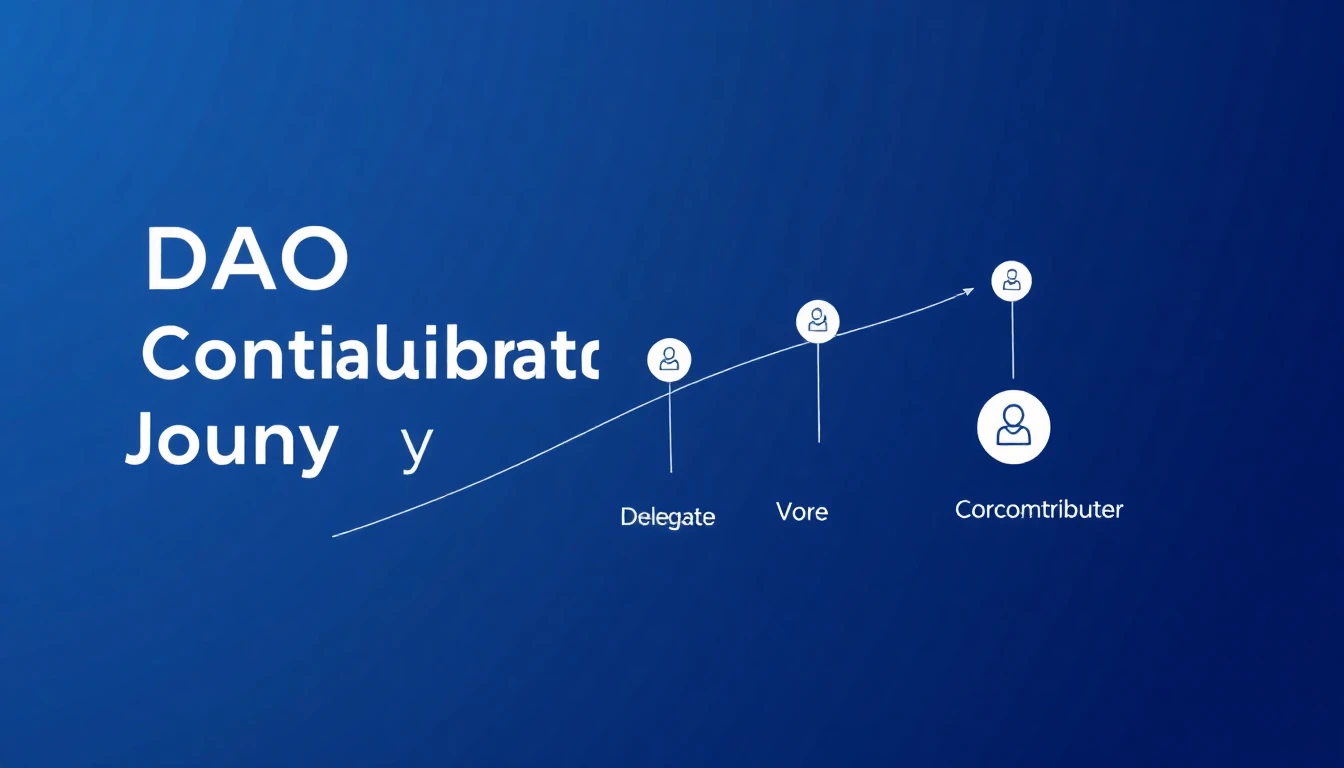
From Voter to Contributor
The path from passive holder to protocol contributor offers increasing influence, recognition, and often compensation.
Level 1: Active Voter
Activities: Vote on most proposals, participate in forum discussions, share voting rationale
Recognition: Voting history visible on-chain, forum reputation
Time commitment: 2-4 hours monthly per DAO
Level 2: Recognized Delegate
Activities: Accept delegations, publish voting rationales, engage with delegators, build voting record
Recognition: Featured on delegate dashboards, community acknowledgment
Time commitment: 4-8 hours monthly per DAO
Compensation: Some DAOs offer delegate incentive programs paying active delegates
Level 3: Proposal Creator
Activities: Identify improvements, draft proposals, shepherd through governance process
Recognition: Proposal author credit, community influence
Time commitment: 20-40 hours per major proposal
Compensation: Proposals can include compensation for implementation work
Level 4: Governance Contributor
Activities: Join governance working groups, serve on committees, facilitate governance operations
Recognition: Official contributor status, community leadership role
Time commitment: 10-20 hours weekly
Compensation: Many DAOs hire governance facilitators, grant managers, and operations leads. Compensation ranges from $3,000 to $15,000+ monthly depending on role and DAO.
Building Your Governance Resume
Your on-chain governance activity creates a verifiable track record:
- Voting history proves participation and consistency
- Passed proposals demonstrate ability to build consensus
- Delegate reputation shows community trust
- Forum contributions reveal communication skills
This reputation is portable across DAOs and increasingly valuable as governance becomes professionalized.
Career Path: Several prominent crypto figures built their careers through governance participation. They started as community members, became delegates, then joined protocol teams or started governance-focused ventures.
Case Studies: Proposals That Made History
Learning from landmark proposals, both successful and failed, provides practical governance insight.
Success: Uniswap's Polygon Deployment (2022)
Proposal: Deploy Uniswap V3 on Polygon blockchain
Context: Uniswap had licensed V3 code, requiring governance approval for new chain deployments. Polygon offered high user activity with lower fees.
Key success factors:
- Clear demand from existing Polygon users
- Technical implementation already prepared
- Strong coalition including major delegates
- Limited controversy or opposition
Outcome: Passed with overwhelming support, Uniswap on Polygon became highly successful
Lesson: Proposals with clear user benefit and prepared implementation face minimal resistance
Success: Aave's GHO Stablecoin (2022)
Proposal: Launch Aave's native decentralized stablecoin
Context: Major DeFi protocols were launching stablecoins. Community saw competitive advantage in Aave having its own.
Key success factors:
- Extensive RFC (Request for Comments) period with community input
- Technical architecture thoroughly reviewed
- Phased rollout with risk controls
- Team commitment to implementation
Outcome: GHO launched successfully, becoming a significant Aave revenue source
Lesson: Complex proposals benefit from extended discussion periods and phased approaches
Failure: Uniswap x BNB Chain (2023)
Proposal: Deploy Uniswap V3 on BNB Chain (Binance)
Context: BNB Chain offered large user base but raised centralization concerns given Binance's control.
Key failure factors:
- Philosophical opposition to Binance's centralization
- Concerns about legitimizing perceived competitor
- Divided delegate opinion
- Alternative deployment paths available
Outcome: Failed to pass despite business rationale
Lesson: Technical merit alone does not guarantee passage. Values alignment with community matters.
Failure: Juno Whale Revocation (2022)
Proposal: Revoke tokens from a whale who gamed an airdrop
Context: One address accumulated massive JUNO through suspected airdrop gaming. Community proposed confiscating tokens.
Key issues:
- Set precedent for confiscation based on governance vote
- Centralization concerns about majority overriding property rights
- Implementation affected innocent addresses
Outcome: Passed initially but faced legal concerns and implementation issues. Created lasting controversy about governance overreach.
Lesson: Governance power should be wielded carefully. Precedent-setting proposals face heightened scrutiny.
Success: MakerDAO's Endgame Plan (2022-2024)
Proposal: Comprehensive restructuring of MakerDAO into decentralized SubDAOs
Context: Largest DAO restructuring attempt, splitting MakerDAO into specialized units
Key success factors:
- Years of community discussion and iteration
- Rune Christensen (founder) championing the vision
- Phased implementation reducing risk
- Clear vision for long-term sustainability
Outcome: Ongoing implementation transforming MakerDAO's structure
Lesson: Major restructurings require extensive preparation, strong leadership, and phased execution
Getting Started: Your First Week in DAO Governance
Transform from passive holder to active participant with this practical 7-day plan:
Day 1: Choose Your DAO
Select one protocol where you hold tokens or want to participate. Start with a DAO you actually use, as your product knowledge informs governance judgment.
Day 2: Join Communication Channels
- Find the governance forum (usually governance.protocol.com or Commonwealth)
- Join the Discord governance channel
- Follow governance-focused accounts on Twitter/X
Day 3: Study Recent Proposals
Read the last 5 passed proposals. Note structure, discussion patterns, and what made them succeed.
Day 4: Set Up Voting Infrastructure
- Connect wallet to Snapshot and Tally
- Self-delegate if required
- Enable notifications for new proposals
Day 5: Cast Your First Vote
Find an active proposal and vote. Even if you are uncertain, participating builds the habit.
Day 6: Research Delegates
Browse delegate profiles on Tally or Karma. Consider delegating a portion of tokens to an aligned, active delegate.
Day 7: Contribute to Discussion
Post a thoughtful comment on an open proposal. Ask questions, share perspective, or support positions you agree with.
Consistency Beats Intensity: Voting occasionally on major proposals matters less than voting consistently. Build the habit of checking governance forums weekly.
Sources and Attribution
This guide synthesizes information from primary protocol documentation, governance forums, and research from the following sources:
- Uniswap Governance Documentation
- Aave Governance Portal
- MakerDAO Governance
- Compound Governor Alpha Documentation
- Snapshot Documentation
- Tally Documentation
- DeepDAO Analytics - DAO statistics and participation data
- Messari Governance Research - DAO governance analysis
- a16z Crypto Governance Resources](https://a16zcrypto.com/) - Legal and governance frameworks
- Boardroom Governance API - Cross-DAO aggregation
- Karma Delegate Dashboard - Delegate reputation tracking
Participation statistics and treasury values referenced from DeepDAO as of January 2026.
Ready to make your vote count? Start with our DAOs Explained guide for foundational concepts, then explore DeFi governance tokens to understand token economics. For technical deep-dives, see our smart contract security guide to evaluate governance contract safety.
What's Next?
Disclaimer: This guide is for educational purposes only and should not be considered financial advice. Cryptocurrency investments carry significant risk. Always do your own research before making investment decisions.